Laos Train Luggage and Boarding: What to Check
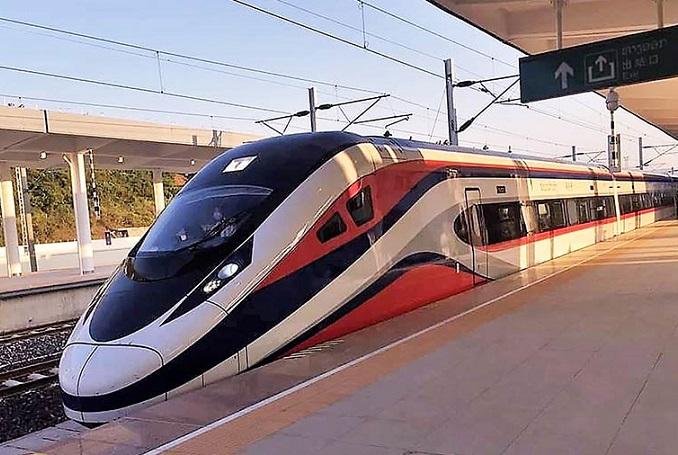
Lane Xang train on the Laos–China Railway. Representative train photograph; equipment varies by service.
Use this Laos train luggage checklist to prepare for your journey. Check the baggage conditions for the specific service you booked and leave time for station checks. Pack the original travel document and issued-ticket instructions where you can reach them without opening your main bag. A short rail journey can still involve several steps between a hotel pickup and boarding.
This is a preparation checklist, not an official baggage allowance table. Numerical weight, size and restricted-item limits need to come from the operator’s current rules for your train. Do not apply rules from another country or railway simply because the carriage looks similar.
Check Laos train luggage rules before packing
Check the rules for large suitcases, sports equipment, bicycles, mobility aids, strollers and any item that is difficult to carry through a station. Tell the booking provider what you need to bring and ask whether advance arrangements are necessary.
For batteries, power banks, liquids, aerosols, sharp tools or other potentially restricted items, ask for the current written conditions rather than assuming the airline’s rule also applies to the railway. State the item’s relevant specifications when asking. This checklist does not establish permission to carry a particular item.
For essential medicine or medical equipment, ask what documentation and screening arrangements apply before travel. Keep necessary items accessible and follow staff instructions at the station.
Make a packing checklist
| Item | Preparation |
|---|---|
| Booked travel document and issued ticket | Keep them accessible and follow the ticket-specific presentation instructions. |
| Large bags and unusual equipment | Confirm current operator limits and any advance arrangements before travel. |
| Potentially restricted items | Ask the operator for current written conditions using the item specifications. |
| Essential medicine or medical equipment | Check documentation and screening requirements in advance. |
| Transfer and hotel details | Save the meeting point, contact information and address offline. |
Separate boarding essentials from the main luggage
Keep your original passport or other accepted booked document, issued ticket, order reference and any collection instructions together. Save the necessary information offline so a weak mobile signal does not prevent you from finding it.
If your ticket uses a code on a phone, keep the device charged and confirm whether the issued instructions specify a digital presentation, collection or exchange procedure. A screenshot is useful only if it is accepted for that service; do not assume an image of a payment receipt is a boarding ticket.
Keep your accommodation address and transfer contact easy to find for arrival. That avoids unpacking your main luggage outside the station while trying to locate the driver.
Check that the transfer can carry your bags
Tell your driver or hotel the number of travelers and the amount of luggage. Ask whether a shared transfer quotation includes your bags and whether the vehicle can reach your exact accommodation.
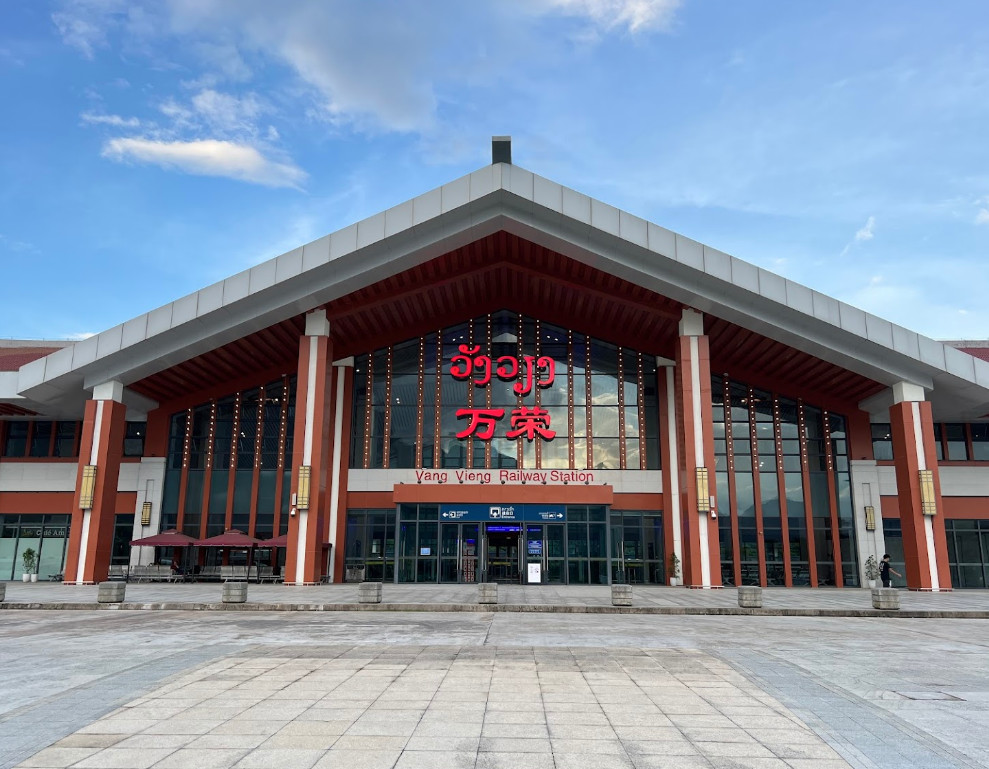
The Luang Prabang station guide and Vang Vieng station guide explain why road transfers matter at those destinations. Plan for handling your luggage during pickup, station access and the arrival transfer, rather than only thinking about space on the train.
Follow the station sequence
Arrive according to the instructions for your service, with extra time where your mobility, luggage or group size makes the process slower. Identify the appropriate entrance and follow station staff through any security, document and ticket checks required.
Once inside, check the departure display against the train and time on your issued itinerary. Follow announcements or staff directions if the boarding area changes. Keep bags together, remain aware of the boarding time and avoid putting essential documents at the bottom of a suitcase after the first check.
At boarding, use the carriage and seat details on the ticket where assigned. Follow staff directions for storage, keep aisles and exits clear, and retain valuables and documents with you. Do not assume there is a separate checked-baggage service unless it has been explicitly arranged.
Additional preparation for international journeys
Cross-border travel can involve immigration, customs and different boarding arrangements from a domestic train. Check the process with the operator and the relevant official authorities before the journey, including any requirements for the items you carry.
A domestic baggage checklist cannot establish entry permission, customs allowances or the border procedure. If the itinerary combines the Laos-China Railway with Thailand-facing conventional trains, check each service separately and allow for transfers between different stations where required.
Cross-border ticket and baggage distinction
For China–Laos international journeys, the published 12306 rules require a paper ticket and the original valid passport used for booking. Online international tickets must be collected as instructed before travel. The ordinary international allowance is 20 kg per passenger, with each item’s length, width and height totalling no more than 130 cm; special passenger allowances and exemptions are described in the official rules. Do not apply this table automatically to every domestic service.
Sources and current travel information
Reviewed on 11 October 2026. The LCR Ticket operator app listing identifies the railway booking service. Use its current calendar or a designated station counter for domestic release dates. The 12306 China–Laos international passenger rules apply to cross-border journeys; they are not a substitute for domestic conditions.
An official June 2026 report describes a domestic baggage-car service. Ask the railway about eligible stations, trains and item restrictions; its launch does not mean that every departure accepts checked luggage.