Vientiane to Kunming Train (D888): Tickets, Schedule & Guide

Key Takeaway: The direct Vientiane to Kunming train takes exactly 9 hours and 26 minutes, with second-class tickets costing roughly $95 USD. Demand vastly outpaces supply for this cross-border route. Skip the glitchy official app and book train tickets online at least 14 days in advance to guarantee your seat before Chinese tour groups buy out the carriages.
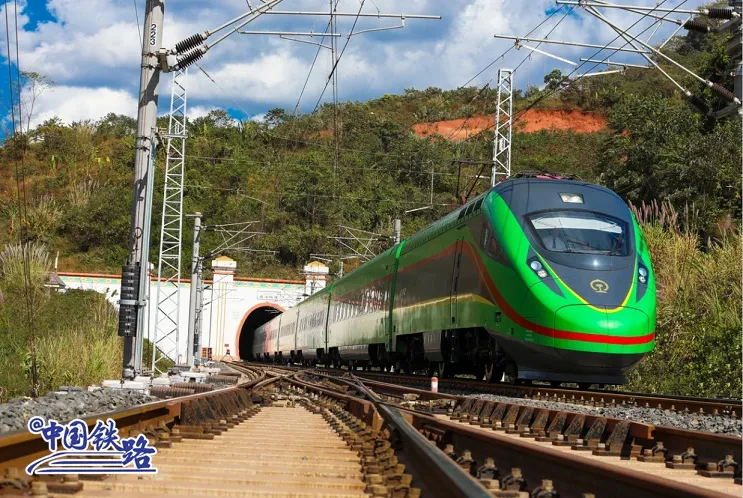
Traveling through the karst mountains of northern Laos at 160 km/h is a major upgrade from the old 30-hour sleeper buses across the border. If you are researching the Laos-China Railway: How to Book and Ride the Vientiane to Kunming Train in 2026, you are looking at a highly efficient route. This journey cuts through hundreds of tunnels and glides over massive ravines, connecting the laid-back Lao capital directly to the "Spring City" of China.
Getting a ticket, however, requires some planning. The official railway app only accepts select payment methods, and international tickets sell out within minutes of release. So, how do you actually get on board without the stress? I have ridden this route multiple times since it launched, testing every seat class and border protocol. Here is the practical reality of making the trip work.
Quick Overview: Vientiane to Kunming Train at a Glance

Before we get into the weeds of booking strategies, here are the hard numbers for the 2026 timetable. Knowing these facts will help you plan your itinerary effectively.
- Total Distance: 1,035 kilometers.
- Journey Time: 9 hours and 26 minutes (including the border stop).
- Departure Frequency: One direct international train per day (Train D888).
- Train Speed: Up to 160 km/h in Laos, 200 km/h in China.
- Border Crossing: Boten (Laos) and Mohan (China).
- Luggage Allowance: Strictly 20kg per adult passenger for carry-on luggage. Dimensions must not exceed 130cm in total (length + width + height).
Laos-China Railway: How to Book and Ride the Vientiane to Kunming Train 2026

The international train (D888) departs Vientiane at 08:08 AM and pulls into Kunming South Station at 18:34 PM (China Standard Time, which is one hour ahead of Laos). The cross-border train runs on a strict schedule, and doors lock exactly five minutes before departure, so you cannot treat this like a casual local bus.
You have three main seat categories to choose from. Standard second class is perfectly fine for most travelers, but if you want extra space to work on a laptop, first class is highly recommended.
| Seat Class | Estimated Price (USD) | Layout & Legroom | Best For | Action |
|---|---|---|---|---|
| Second Class | $95 | 3+2 configuration. Excellent legroom, better than economy flights. | Budget travelers and solo backpackers. | Check Availability |
| First Class | $145 | 2+2 configuration. Wider seats, deeper recline, quieter cabin. | Couples and remote workers needing space. | Check Availability |
| Business Class | $295 | 1+2 configuration. Fully flat beds, premium service, private lounge access. | Luxury travelers and those wanting maximum comfort. | Check Availability |
Ready to secure your seat? Book your Vientiane to Kunming train tickets here to avoid the last-minute rush.
First-time riders often worry about which class to choose. Do not overthink it. Second class is incredibly comfortable. The seats recline deep enough for a proper nap, and the legroom puts most airlines to shame. To see photos of the actual carriages, check out our guide on Laos Train Seat Classes: Business, First & Second (2026).
Booking is where most foreigners encounter issues. The official LCR Ticket app requires a verified phone number and often rejects foreign credit cards. Worse, tickets for the international route only open for sale a few days in advance on the app, by which point travel agencies have already snatched them up. To save yourself the stress, check latest prices on laostrain.com and submit your booking request weeks in advance. Our team secures the tickets the exact second the booking window opens.
Scenery and Route Highlights: What to Expect Onboard
Riding the Vientiane to Kunming train is not just about getting from point A to point B; it is an experience in itself. The engineering required to build this railway is staggering, and the views from your window reflect that effort.
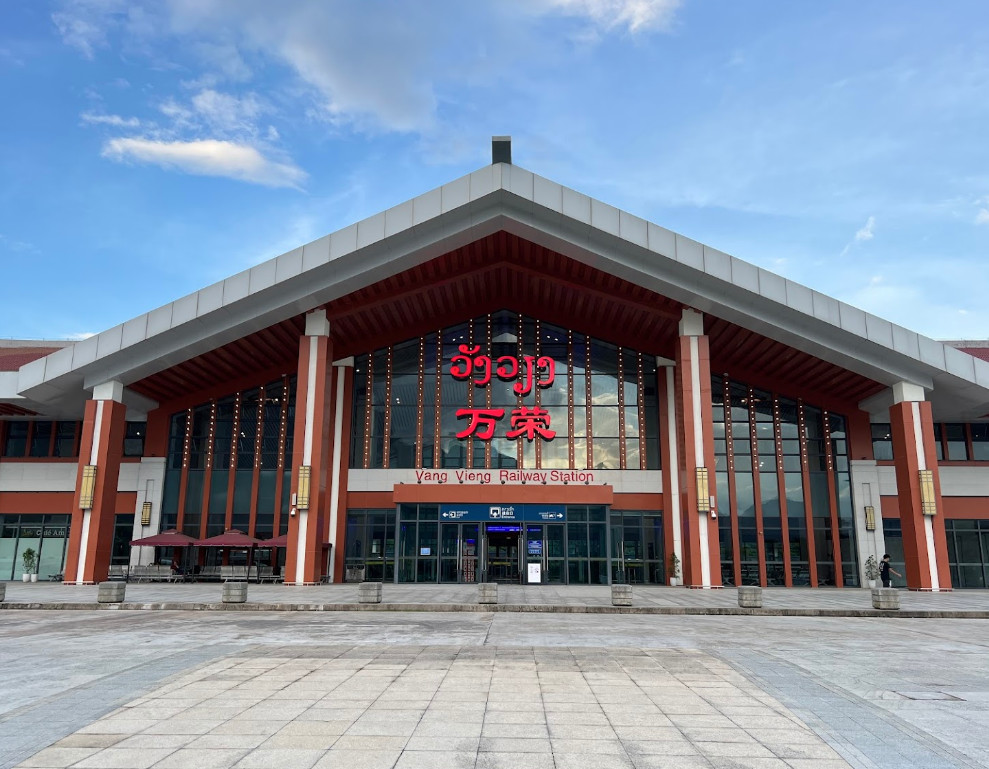
Shortly after leaving Vientiane, the train speeds through the flat plains before hitting the mountains near Vang Vieng. Here, you will see towering limestone karsts jutting out of the green landscape. As the train continues north toward Luang Prabang, it crosses the mighty Mekong River multiple times over massive, newly constructed bridges.
North of Luang Prabang, the route becomes a rapid succession of tunnels and bridges. In fact, over 60% of the track in northern Laos consists of bridges and tunnels. Once you cross into China's Yunnan province, the landscape shifts to terraced hillsides, deep river valleys, and dense subtropical forests. Make sure to keep your camera ready, especially during the first four hours of the trip.
Surviving the Boten-Mohan Border Crossing

This is the part everyone worries about. Crossing a land border by train sounds complicated, but the LCR has streamlined the process remarkably well. That said, it still takes about 90 minutes total.
Here is exactly what happens. The train stops at Boten on the Laos side. The entire immigration process at the Boten-Mohan border requires passengers to disembark with all luggage, clear exit customs, re-board, and then repeat the process on the Chinese side. You cannot leave your heavy suitcase on the train. You must carry it with you.
Step 1: Exiting Laos at Boten
When the train stops at Boten, everyone gets off. You will carry your bags through the station, scan your passport, and get your Lao exit stamp. The lines move fast. Once stamped out, you walk straight back onto the exact same train, into the exact same seat.
Step 2: Entering China at Mohan
About 15 minutes later, the train crosses the border and stops at Mohan. Again, everyone gets off with all their luggage. Here, you will fill out a yellow arrival card (bring a pen) and go through Chinese immigration. They will scan your fingerprints and check your visa. Your luggage will go through a large X-ray scanner. According to the Embassy of the PRC in the Lao PDR, all standard entry requirements apply here just as they would at an airport.
Once you clear Chinese customs, you wait in a holding hall until they announce boarding. You get back on the train, and the rest of the journey to Kunming is a smooth, uninterrupted ride. To read more about the engineering of this route, see our Introduction to China-Laos Railway.
Navigating the Stations: Vientiane and Kunming South

High-speed rail stations in Asia operate more like massive airport terminals than traditional train stops. You need to know how to get there and what to expect.
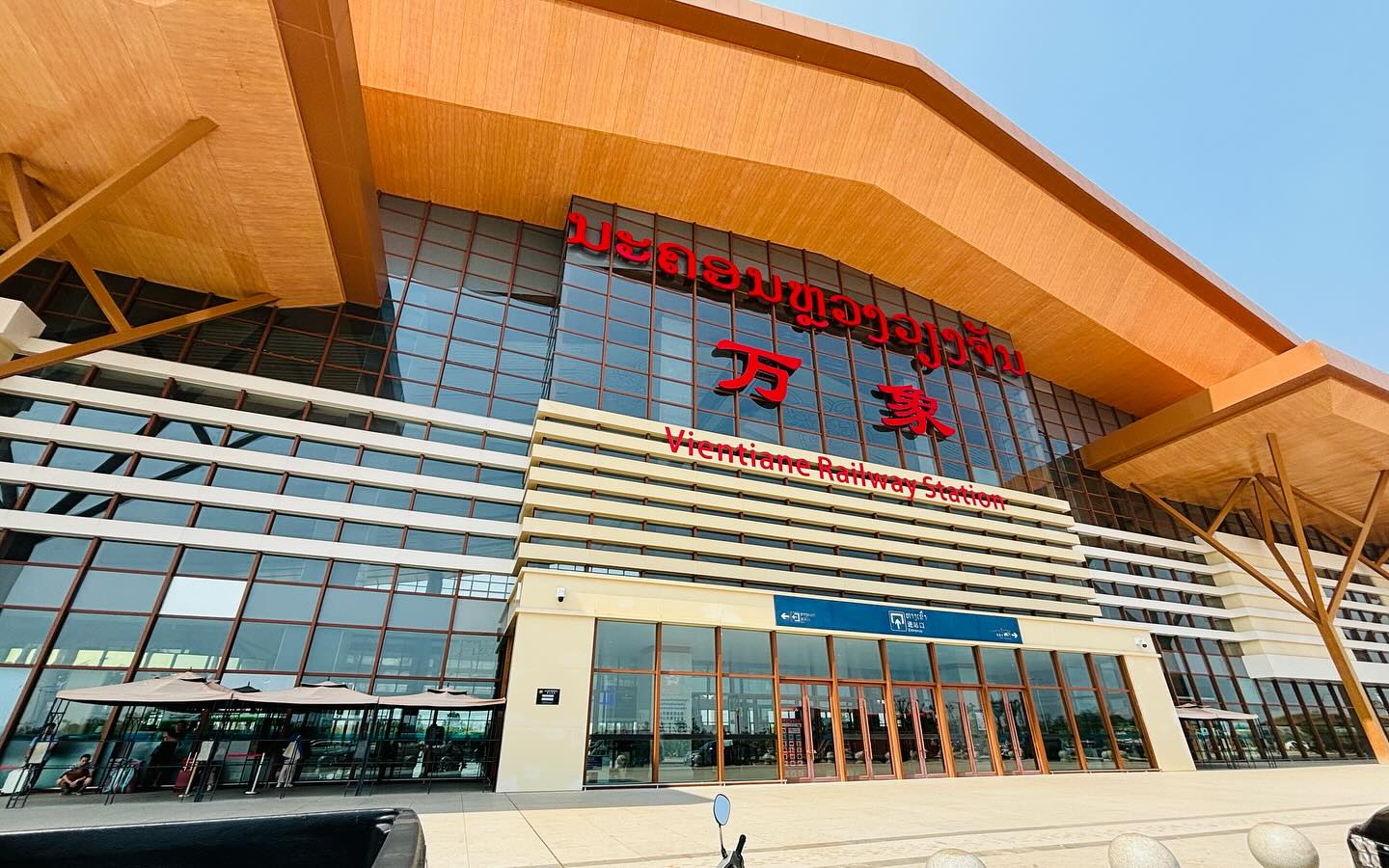
Vientiane Railway Station sits 15 kilometers from the city center, meaning you must budget at least 45 minutes for the transfer during morning rush hour. It is a large structure with strict security protocols. Your ticket and passport will be checked at the outer gate before you even reach the metal detectors. Inside, you will find a few small convenience stores and plenty of seating, but dining options are limited.
| Transport Method | Cost (Kip/USD) | Travel Time | Pros & Cons |
|---|---|---|---|
| Loca App (Taxi) | ~$12 - $15 USD | 30-45 mins | Reliable, air-conditioned. Best if traveling with heavy luggage. |
| Shared Minivan | ~$3 - $5 USD | 45-60 mins | Cheap, but you must wait for it to fill up. Picks up from hotels. |
| City Bus (Line 28) | ~$1 USD | 60-80 mins | Ultra-cheap but slow. Departs from the Central Bus Station. |
If you need specific details on station amenities or where to find the taxi rank, our Vientiane Railway Station: 2026 Guide to Location & Arrival covers every inch of the terminal.
Arriving in China is a different experience. The train terminates at Kunming South Station (Kunmingnan), which is located about 45 minutes outside central Kunming by subway. Thankfully, the station is directly connected to Kunming Metro Lines 1 and 4. Just follow the bilingual signs down to the metro level, buy a token from the automated machines (they accept WeChat Pay, Alipay, and cash), and you are on your way to the city center.
Planning a wider Southeast Asian rail trip? Many travelers connect from Thailand. You can read our Bangkok to Laos Train: 2026 Booking Guide & Route Tips to see how to link the Thai rail network with the Laos-China Railway.
7 Pro Tips for Riding the Vientiane to Kunming Train

After multiple trips on this route, I have compiled a list of things the official guides rarely mention. These tips will save you time, money, and headaches at the security gates.
- Book early, not locally. International tickets are highly restricted. Do not show up at Vientiane station expecting to buy a ticket for the next day. You will be turned away. Use a service to book train tickets online at least two weeks out.
- Mind the aerosol ban. Chinese railway security is notoriously strict. They will confiscate large aerosol cans, including deodorant and hairspray, as well as large pocket knives or excessive amounts of alcohol. Pack these items out of your carry-on, or better yet, leave them behind.
- Bring your own snacks. The train has a dining car, and attendants push a snack cart through the aisles. But the options are mostly instant noodles, vacuum-sealed sausages, and overpriced coffee. Stock up on fresh fruit and pastries at a bakery in Vientiane before your morning departure.
- Check the 144-Hour Visa rules. If you are flying out of Kunming to a third country, you might not even need a Chinese visa. Kunming participates in the transit without visa program. Read more about how China's 144-hour transit visa exemption policy expands to 37 ports to see if your passport qualifies.
- Carry physical toilet paper. The trains are impeccably clean when they leave Vientiane. However, by hour seven, the toilet paper dispensers in the bathrooms (which feature both western and squat toilets) are often empty. Bring a travel pack of tissues.
- Dress in layers. The air conditioning on the Laos-China Railway is strong. It might be 35°C outside in Vientiane, but inside the carriage, it feels quite cold. A light sweater or travel blanket is essential.
- Download Alipay or WeChat. Once you cross into China, cash is rarely used. Even the snack cart on the train prefers mobile payments once you cross the border. Set up Alipay with your international credit card before leaving home.
Frequently Asked Questions
How long is the train from Vientiane to Kunming?
The total journey time for the direct Vientiane to Kunming train (D888) is exactly 9 hours and 26 minutes. This duration includes the mandatory stops for immigration and customs at the Boten (Laos) and Mohan (China) border checkpoints.
How much does a train ticket from Vientiane to Kunming cost?
A second-class ticket for the Vientiane to Kunming train costs approximately $95 USD in 2026. Prices can vary slightly based on currency exchange rates, and first-class or business-class seats are available at a higher premium.
Where can I buy tickets for the Laos-China Railway?
Tickets can be purchased via the official LCR mobile app, at physical station counters in Vientiane, or through online booking services like laostrain.com. Booking at least 14 days in advance is strongly advised as international seats often sell out immediately upon release.
What time does the Vientiane to Kunming train depart?
The international train D888 is scheduled to depart from Vientiane Railway Station at 08:08 AM daily. It arrives at Kunming South Station at 18:34 PM, accounting for the one-hour time difference between Laos and China.
What is the luggage limit for the Laos-China train?
The carry-on luggage allowance for the Vientiane to Kunming train is strictly limited to 20kg per adult passenger. Travelers should ensure their bags meet these requirements as space in the overhead compartments and carriage ends is monitored by staff.
Do I need a visa for the Vientiane to Kunming train?
Yes, passengers must possess a valid Chinese visa or be from a visa-exempt country to enter China via the Mohan rail border. It is essential to have all travel documents verified before purchasing your ticket, as visas on arrival are not typically issued at the train station.